
Why Brooklyn’s Rental Market Is Different from Other NYC Boroughs
Landlords and real estate investors who arrive in Brooklyn carrying assumptions from other markets tend to learn their lesson fast. Partnering with an established property management company or working with knowledgeable property specialists makes a real difference here, because Brooklyn does not follow the playbook most investors bring with them.
The borough’s rental dynamics, building stock, tenant base, and regulatory environment each operate on their own terms, separate from national trends and nothing like Manhattan.
Brooklyn has its own logic, and grasping it is what separates productive ownership from a constant cycle of reacting to problems you never saw coming.
The Building Stock Is Not Comparable to Manhattan
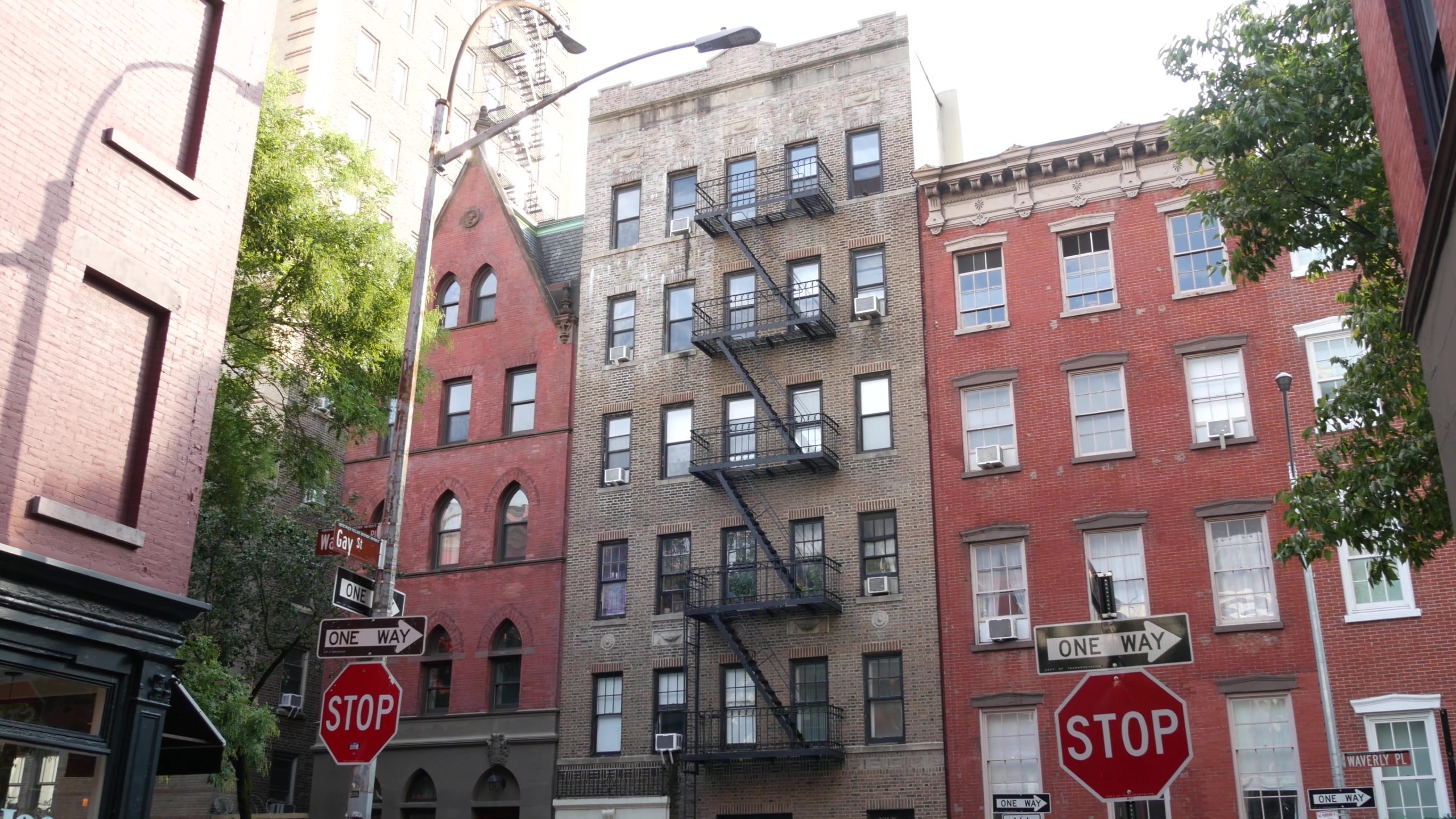
Manhattan’s rental market runs largely on large multifamily buildings and purpose-built rental towers with professional management infrastructure already built in. Brooklyn is mostly small to midsize. Two- and three-family brownstones, six-to-twenty unit pre-war walk-ups, converted multifamily properties, and mid-size apartment buildings make up the bulk of what Brooklyn landlords actually own and manage.
That difference changes everything about how these buildings need to be run. A 12-unit brownstone in Crown Heights and a 45-unit apartment building in Sunset Park have different maintenance footprints, different compliance obligations, and different superintendent requirements. Managing them well requires an approach calibrated to those differences, not a standardized template designed for large residential towers.
Our multifamily building management services are built specifically around this kind of Brooklyn property.
Each Neighborhood Is Its Own Rental Submarket
Brooklyn’s neighborhoods do not function as a single rental market, and the differences between them are not subtle. Williamsburg and Greenpoint attract renters with different income profiles and expectations than Canarsie or Gravesend. Park Slope and Cobble Hill command rents and draw tenant applications that reflect a different market than Bushwick or Kensington, and the landlord experience in each of those neighborhoods reflects that difference.
Vacancy rates, average time-on-market, applicant volume, and the building improvements tenants respond to all vary by neighborhood. A management company operating in only a few parts of Brooklyn has a limited frame of reference. Our team at Sunrise Real Estate Corp has operated across all 18 Brooklyn neighborhoods we serve since 2001, and that breadth of local knowledge shapes how we approach leasing, pricing, and building operations for each property we manage.
Condo and Co-op Management Is a Brooklyn Reality
Brooklyn has a significant condo and co-op housing stock, much more so than boroughs like the Bronx or Staten Island. The growth of condo conversions in neighborhoods like DUMBO, Brooklyn Heights, and Carroll Gardens, combined with a long-established co-op tradition across parts of Flatbush and Crown Heights, makes association and board management a core piece of what Brooklyn property management actually involves.
Managing a co-op board in Brooklyn Heights is operationally different from managing a rental building in Bed-Stuy. Board governance, proprietary lease administration, shareholder communications, and oversight of common areas all require a different skill set than standard landlord-tenant management. Our condo and co-op management services are built around exactly that.
HPD Enforcement Is More Active Here
Every NYC borough operates under HPD and DOB oversight, but the character and volume of enforcement activity differs. Brooklyn has a large, aging residential building stock, a high percentage of units covered by rent stabilization, and a tenant population that is familiar with 311 and how to use it. That combination produces consistent HPD enforcement activity that is a routine reality for Brooklyn landlords, not an occasional occurrence.
DOB issues in Brooklyn also reflect the borough’s renovation history. Decades of brownstone gut renovations, basement conversions, and rooftop additions have left many buildings with unpermitted work that surfaces during permit filings or required inspections. Our team at Sunrise Real Estate Corp has been working with HPD and DOB on behalf of Brooklyn property owners since 2001.
Familiarity with how those agencies actually operate (not just what the rules say, but how the process works on the ground) is something that takes years to develop and shows up in every building management relationship we have.
Rent Stabilization Affects More of Brooklyn Than Owners Expect
Rent stabilization covers a larger share of Brooklyn’s rental housing stock than many property owners realize when they first acquire a building, particularly owners who did not get a thorough review of each unit’s regulatory status before closing. Buildings constructed before 1974 with six or more units are typically subject to stabilization unless they have gone through a formal deregulation process.
If you own an older multifamily building in Crown Heights, Flatbush, Bed-Stuy, or large parts of south Brooklyn, a significant portion of your units may be rent-stabilized. That status governs how much rent can be increased each year on covered units, how renewal leases must be offered, and what tenant rights apply that would not exist in a market-rate tenancy.
Getting the compliance wrong creates overcharge liability. We manage stabilized buildings throughout Brooklyn and handle the regulatory obligations, lease paperwork, renewal timing, and annual filings as part of our standard services.
Out-of-State Investors Face a Specific Set of Risks
Brooklyn draws real estate investors from across the country, many of whom buy property in the borough without being close enough to manage it themselves. The risks that creates go well beyond just needing someone to respond to maintenance calls.
NYC’s regulatory environment requires someone on the ground who knows how to work with city agencies, show up for HPD inspections, respond to 311 complaints before they escalate to violations, and tap into a reliable network of Brooklyn contractors when something needs to be fixed fast. An out-of-state investor managing a Brooklyn rental building without local professional management is carrying more risk than most appreciate: operational risk, compliance risk, and legal exposure that compounds over time.
Our apartment building services are used by out-of-state owners across the Brooklyn neighborhoods we serve who need genuine on-the-ground coverage. You can learn more at sunriserealtyny.com.


